

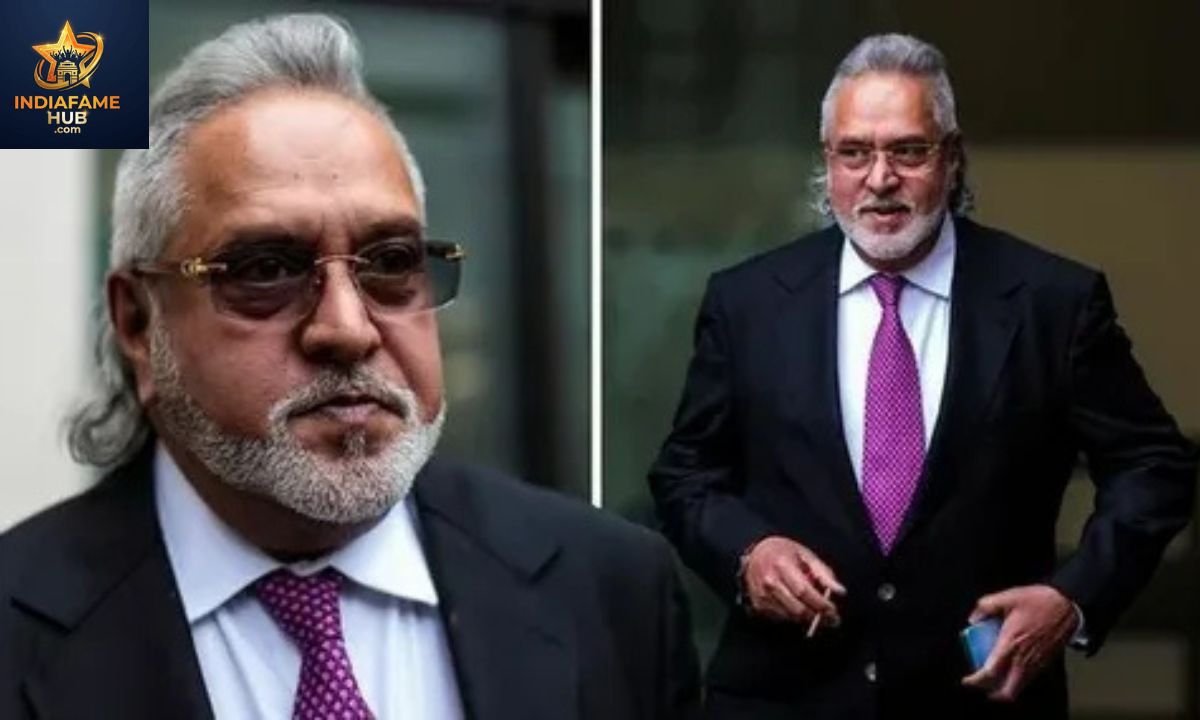
Have you ever wondered how someone goes from being one of India’s biggest billionaires to living in self-imposed exile in London? Vijay Mallya Net Worth in Rupees 2026 is one of the most searched topics in India right now, and honestly, it makes complete sense — because his story is not just about money, it is about ambition, power, and one of the most dramatic falls from grace in Indian business history.
In this article, we are going to break down everything you need to know about Vijay Mallya Net Worth in Rupees 2026: Wealth & Assets — from how he built his liquor empire and what his assets and properties look like today, to why his wealth is now frozen, disputed, and tied up in court battles across two countries. Whether you are curious about his Kingfisher Airlines collapse, his legal battles, his lifestyle in the UK, or simply want a straight answer on how much he is actually worth in rupees today, you have landed in exactly the right place.
Quick Net Worth Summary at a Glance (2026)
As of 2026, Vijay Mallya’s estimated net worth in Indian rupees sits somewhere between ₹500 crore and ₹1,500 crore, with most analysts pointing to approximately ₹1,000 crore as the most cited figure. However, this number is heavily disputed because most of his asset portfolio is either frozen, seized, or locked inside ongoing court proceedings. In simple terms, the total valuation looks decent on paper — but his accessible wealth is far lower than what those numbers suggest.
What makes this financial position even more complicated is that Indian banks have already recovered ₹14,131.6 crore through asset attachments and court-ordered auctions, according to Finance Ministry data from December 2024. That figure actually exceeds the original Debt Recovery Tribunal judgment debt of ₹6,203 crore. So while the liquor magnate still holds some offshore holdings and residual business interests, his true financial standing today is a shadow of what it once was.
| Detail | Figure |
| Estimated Net Worth 2026 | ₹1,000 crore (disputed) |
| Net Worth Range | ₹500 – ₹1,500 crore |
| USD Equivalent | ~$120 million |
| Peak Net Worth | $1.5 – $2 billion |
| Total Debt to Banks | ₹9,000 crore+ |
| Banks Recovered So Far | ₹14,131.6 crore |
| Assets Status | Mostly frozen or seized |
Vijay Mallya Biography at a Glance

Vijay Vittal Mallya, born on December 18, 1955, in Bantwal, Mangalore, Karnataka, is one of the most talked-about names in Indian business history. He is a former chairman of United Spirits, the largest spirits company in India, and continues to serve nominally as chairman of the United Breweries Group — a conglomerate with interests spanning beverages, aviation infrastructure, real estate, and more. Once celebrated as a visionary empire builder and a true corporate flamboyance icon, he is today better known as a fugitive proclaimed offender fighting extradition from the United Kingdom.
His journey from the King of Good Times to a controversial business figure facing financial crimes charges is genuinely one of the most dramatic stories in modern Indian corporate history. At his height, Mallya controlled 60+ companies under the UB Group banner, owned a Formula One racing team, an IPL cricket franchise, and a premium airline. Today, his story serves as a cautionary tale studied in business schools and discussed in courtrooms across two countries.
Profile Summary Table
| Category | Details |
| Full Name | Vijay Vittal Mallya |
| Date of Birth | December 18, 1955 |
| Age (2026) | 70 years |
| Birthplace | Bantwal, Mangalore, Karnataka, India |
| Nationality | Indian |
| Profession | Businessman, Former Politician |
| Known As | King of Good Times |
| Father | Vittal Mallya |
| Mother | Lalitha Ramaiah |
| First Wife | Samira Tyabjee |
| Second Wife | Rekha Mallya |
| Children | Siddharth Mallya, Leanna, Tanya |
| Education | St. Xavier’s College, Kolkata |
| Net Worth 2026 | ~₹1,000 crore (disputed) |
| Current Location | Hertfordshire, UK |
| Legal Status | Fugitive Economic Offender |
Physical Appearance
| Feature | Details |
| Height | Approximately 5 feet 9 inches |
| Build | Medium to heavy |
| Eye Color | Dark Brown |
| Hair Color | Black (greying with age) |
| Signature Style | Tailored suits, distinctive earrings |
| Known For | Flamboyant, high-profile personal style |
Social Media Accounts
| Platform | Username | Followers | Link |
| Twitter / X | @TheVijayMallya | ~6 Million | Click Here |
| @vijaymallya | ~500K | Click Here | |
| Vijay Mallya Official | ~2 Million | Click Here |
Early Life, Education, and Family Background
Vijay Mallya was born into a Konkani-speaking business family with deep roots in Karnataka. His father, Vittal Mallya, was already the respected chairman of the United Breweries Group, which gave young Vijay an early exposure to corporate leadership that most people never experience. He attended La Martinière Calcutta, one of India’s premier schools, where he was even appointed House Captain of Hastings House — a detail that hints at his leadership qualities from a very young age.
After completing school, he enrolled at St. Xavier’s College in Kolkata and graduated with a Bachelor of Commerce degree with honours in 1976. He then interned at Hoechst AG in the United States, gaining international business exposure before returning to India. This combination of elite education, family legacy, and early international experience laid the foundation for the business inheritance that was about to fall into his hands.
How Did Vijay Mallya Enter Business at Such a Young Age?
When Vittal Mallya passed away in 1983, Vijay was just 28 years old — and suddenly he was chairman of the United Breweries Group. Most young men his age were still figuring out their careers but Vijay stepped into one of India’s most significant corporate roles without hesitation. What separated him from other second-generation businessmen was his ambition-driven, fearless approach — he didn’t just maintain what his father built, he immediately started thinking about how to grow it.
He quickly displayed bold decision-making and a vision for rapid expansion. Within a few years, it was clear that the youngest chairman of UB Group had no intention of playing it safe. He was a strategic thinker who understood that scale, brand, and diversification were the keys to lasting corporate power.
How Vijay Mallya Built His Business Empire
Vijay Mallya didn’t just inherit a company — he transformed a brewery into a multi-sector conglomerate that stretched across liquor, aviation, sports, real estate, and media. His empire-building style was all about aggressive expansion, luxury branding, and moving fast into new markets. Under his leadership, the UB Group grew to include 60+ companies, with United Spirits eventually becoming the second-largest spirits company in the world by volume after selling 100 million cases.
His strategy was straightforward but powerful — build the brand first, then dominate the market. Kingfisher became more than just a beer label. It became a lifestyle, a cultural icon, and a global brand synonymous with celebration. He created a business empire worth thousands of crores not just through liquor sales but through calculated portfolio diversification into aviation, Formula One, and cricket, which gave UB Group an image that few Indian conglomerates could match.
Taking Over United Breweries Group
When Mallya took charge of United Breweries Group in 1983, the company was already a respected name in the Indian liquor market. But he had bigger ambitions. He restructured, consolidated, and diversified the group beyond its traditional beverage roots into a true corporate inheritance powerhouse. He acquired companies like Berger Paints, Best and Crompton, Mangalore Chemicals and Fertilisers, and even media properties like The Asian Age newspaper and Cine Blitz magazine.
Kingfisher Beer became his flagship product and his most powerful brand asset. Under his leadership, it went from being a regional beer to India’s number one bestselling beer available in 52 countries. He built UB Group into a powerhouse with a beverage portfolio that dominated Indian retail shelves and export markets simultaneously.
Aggressive Acquisitions and Brand Expansion Strategy
Mallya’s acquisition-led growth strategy was bold, sometimes reckless, but always attention-grabbing. In 2005, he launched Kingfisher Airlines, bringing the Kingfisher lifestyle brand into the skies. Then in 2007, he acquired Air Deccan in a strategic buyout that doubled his aviation footprint almost overnight. He also bought into the Spyker Formula One team in 2007, renaming it Force India F1, which gave UB Group unprecedented global visibility on one of the world’s biggest sporting stages.
He also became the original owner of Royal Challengers Bangalore when the IPL launched in 2008 and owned it through United Spirits. Every acquisition followed the same logic — associate the brand with glamour, premium positioning, and luxury. For a while, it worked brilliantly. However, the ₹9,000 crore debt that accumulated in the background told a very different story.
Major Sources of Vijay Mallya’s Wealth

At his peak, Vijay Mallya’s wealth came from multiple income streams working simultaneously. His primary earnings flowed from United Breweries and United Spirits, which generated enormous corporate dividends and equity stakes. Kingfisher Beer alone was a multi-thousand-crore revenue engine, and United Spirits’ 100 million case milestone made it a global giant. His wealth was genuinely built on a liquor empire that few Indian businessmen could rival.
Beyond liquor, his revenue streams included aviation operations, sports franchise ownership through RCB and Force India, real estate holdings, and political allowances from his time as a Rajya Sabha member. His asset base was diversified across sectors and geographies, making his peak net worth in rupees somewhere between ₹10,000 crore and ₹11,500 crore — figures that placed him firmly among Forbes India’s top 100 richest Indians.
Kingfisher Beer and United Spirits Success
Kingfisher Beer is genuinely one of India’s most iconic consumer brands. Under Mallya’s leadership, it captured massive market share in the Indian alcohol industry and became available in over 52 countries, making it one of the few truly global Indian beer brands. The premium positioning of Kingfisher — always associated with glamour, sports, and celebration — made it a cultural icon that went far beyond just a drink.
United Spirits Limited was an equally dominant force. It achieved the remarkable milestone of selling 100 million cases, becoming the second-largest spirits company globally by volume. Mallya eventually ceded management control of United Spirits to Diageo in 2012, but the brand dominance and market leadership that USL achieved under his watch was extraordinary. These two brands alone generated the bulk of Vijay Mallya Net Worth in Rupees 2026’s historical foundation.
Force India F1 Team and Sports Investments
In 2007, Mallya joined a group that purchased the Spyker Formula One team and renamed it Force India F1. This was a landmark moment — for the first time, an Indian-owned team was competing on the global F1 stage. The motorsport investment was not just about sport; it was a brand visibility masterstroke. Kingfisher branding appeared on F1 cars watched by hundreds of millions of viewers worldwide, making it a marketing investment as much as a sporting one.
Force India consistently punched above its weight in the championship, regularly outperforming teams with much bigger budgets. Eventually, the team went into administration, but during its peak years under Mallya’s co-ownership, it gave the UB Group a global stage that no Indian conglomerate had ever accessed through sports before.
Royal Challengers Bangalore (RCB) Ownership
Vijay Mallya was the original owner of Royal Challengers Bangalore when the Indian Premier League launched in 2008. He owned the franchise through United Spirits, and RCB quickly became one of the most high-profile cricket teams in India — backed by the Kingfisher brand’s glamour and Mallya’s celebrity-friendly personality. His presence in the stands at matches made RCB as much a lifestyle brand as a cricket team.
However, after Diageo acquired United Spirits and Mallya’s legal troubles escalated, his association with RCB effectively ended. Today, the franchise is owned by United Spirits Limited under Diageo’s control. So to directly answer the question many people search — Vijay Mallya is no longer the owner of RCB.
Political Career as Rajya Sabha Member
Most people focus on Mallya’s business career but forget that he also had a significant political career as an independent MP in the Rajya Sabha. His dual role as a businessman and politician gave him considerable political influence, access, and a national platform that complemented his corporate ambitions. He represented Karnataka in the upper house and was known for his flamboyant presence in parliament just as he was in boardrooms.
His political career added another layer of legitimacy and public influence to his already powerful profile. However, after fleeing India in March 2016, his political career came to an abrupt and permanent end, and he was eventually removed from the Rajya Sabha.
Vijay Mallya Assets and Properties
When you look at Vijay Mallya’s real estate portfolio and asset base, it reads like a luxury travel brochure. At his peak, he owned immovable assets across India, the UK, USA, France, Scotland, South Africa, and more. His property holdings were valued collectively at several thousand crores. However, a significant portion of these properties have since been subject to legal seizure, provisional attachment orders, and court-ordered auctions by the Enforcement Directorate and Indian banks.
The Enforcement Directorate provisionally attached ₹14.11 billion worth of Mallya’s Indian assets and properties starting in June 2016 under the Prevention of Money Laundering Act. That’s a staggering amount of real estate, bank accounts, and asset portfolio value now frozen or auctioned to recover bank dues. From palatial mansions in Goa to penthouses in Bangalore to estates in Scotland, the story of his properties is as dramatic as his financial decline.
Kingfisher Tower and Luxury Real Estate in Bangalore
The most famous of Mallya’s Bangalore properties is the penthouse atop Kingfisher Towers in the iconic UB City complex. This ₹167 crore property featured a helipad, a wine cellar, and floor-to-ceiling luxury — the kind of property that makes headlines on its own. It was left incomplete and was subsequently seized by authorities, making it one of the most symbolic assets in the entire Vijay Mallya case.
The UB City complex itself remains a landmark in Bangalore’s commercial real estate landscape. While the Kingfisher Tower became a seized high-value property tied up in legal proceedings, it perfectly represents the scale of ambition that Mallya once pursued — luxury real estate as a statement, not just an investment.
Kingfisher Villa Goa and Other Indian Properties
Mallya’s Goa villa — the famous Kingfisher Villa — was valued at around ₹73 crore and was one of India’s most talked-about celebrity properties. Sprawling across prime Goa beachfront land, it was the site of legendary parties and the ultimate symbol of his King of Good Times image. It too has been seized and is part of ongoing legal proceedings.
Beyond Goa, Mallya owned a sea-facing bungalow called Niladri in Mumbai worth ₹150+ crore, and a residence named Devika in New Delhi. All of these Indian properties are now under legal proceedings, attachment orders, or have already been auctioned to help recover the outstanding bank dues owed to the consortium of lenders.
International Properties and Asset Holdings
Beyond India, Mallya’s international asset holdings span multiple continents. His global real estate footprint includes properties in the UK, United States, France, Scotland, and South Africa. Offshore assets of this scale speak to a deliberate strategy of diversifying wealth across international jurisdictions — which has made recovery proceedings far more complex for Indian authorities.
His cross-border holdings include a villa on the French island of Sainte-Marguerite, Le Grande Jardin, reportedly purchased for $50 million. He also owned an 11,000 sq ft home in Napa Valley, California, a condo at Trump Plaza in New York, a home in Johannesburg on Nettleton Road, and Keillour Castle in Perthshire, Scotland. The sheer geographic diversity of his international properties is remarkable, even for a global billionaire.
Ladywalk Mansion and UK Properties
Mallya’s primary UK residence is Ladywalk Mansion, a stunning 30-acre estate in Hertfordshire that he purchased in 2015 for £11.5 million. This is where he has been living since fleeing India on March 2, 2016. The mansion provides him with the comfort and privacy of a country estate while he fights extradition proceedings from UK soil.
He also has access to Cornwall Terrace, a prestigious London property near Regent’s Park that is held through a family trust. Together, these two UK properties represent significant trust-held and personally-held real estate that remains central to any discussion about his current asset portfolio and international holdings.
Properties in USA, France, Scotland, and South Africa
Mallya’s overseas estate collection is genuinely extraordinary. In California’s Sausalito area, he owns an 11,000 sq ft Napa Valley home worth millions of dollars. In New York, he holds a condo at the famous Trump Plaza. His most expensive international property is arguably Le Grande Jardin on the island of Sainte-Marguerite off the coast of France, reportedly acquired for over $50 million.
He once owned a Cape Town mansion in South Africa, purchased in 2010 but sold in 2014. Keillour Castle in Perthshire, Scotland, is another unusual addition to his diverse locations portfolio — a medieval castle that fits perfectly with his taste for the dramatic and the exclusive. This global footprint of multimillion-dollar properties tells you exactly how Mallya built and spent his wealth.
Vijay Mallya Car Collection and Private Jet
Mallya was a licensed pilot — yes, he actually flew his own jets. That single fact tells you a great deal about the man. His personal fleet of private aircraft was part of his brand identity, and it aligned perfectly with his Kingfisher Airlines aviation lifestyle persona. He didn’t just own an airline; he lived the aviation lifestyle on a personal level too.
His exotic car collection was equally impressive. Though specific models are not always publicly documented, his collection included high-end luxury automobiles worth crores. These vehicles were part of a personal brand built around confidence, luxury, and flamboyance — the same brand that made Kingfisher synonymous with the good life.
Kingfisher Airlines Collapse and Financial Crisis
Kingfisher Airlines is the pivot point in the entire Vijay Mallya story. Without its collapse, none of the legal battles, the debt crisis, or the extradition proceedings would have followed. Launched in 2005 as India’s most premium airline, Kingfisher entered the aviation sector with a promise of luxury in the skies — red-colored planes, exceptional service, and the Kingfisher brand’s signature glamour. For a while, it was genuinely impressive.
However, the aviation industry is brutal, and Indian aviation is particularly unforgiving. The airline was loss-making almost from day one due to high fuel costs, intense competition, and massive operational expenses. The 2007 acquisition of Air Deccan added significant debt load that the airline could never shake. By October 2012, the DGCA cancelled the airline’s license after it failed to pay employee salaries for months and could not maintain basic operations. The cash flow crisis that followed directly triggered the financial ruin that defines Mallya’s story today.
What Happened to Kingfisher Airlines?
The premium model Kingfisher Airlines pursued was simply unsustainable in the Indian market of that era. While Indigo and SpiceJet were building lean, cost-efficient operations, Kingfisher spent heavily on premium services that price-sensitive Indian travelers didn’t always value enough to pay a premium for. Revenue failed to keep pace with expenses from virtually the beginning of operations.
The DGCA eventually suspended and then cancelled the airline’s operating license in October 2012 after mounting evidence that the airline could not survive. Employees went unpaid for months. Fuel suppliers stopped providing credit. Banks that had already extended billions stopped extending more. It was a complete and total operational shutdown — one that left thousands of employees stranded and creditors facing enormous losses.
Debt, Loans, and Financial Pressure
The debt spiral that consumed Kingfisher Airlines is astonishing in scale. Mallya borrowed from a consortium of nearly 20 banks, including State Bank of India, Punjab National Bank, IDBI Bank, Bank of Baroda, and others. Total outstanding dues climbed to ₹9,000 crore. Banks eventually classified these loans as Non-Performing Assets and declared Mallya a wilful defaulter — a classification that carries serious legal consequences under Indian banking law.
Loan restructuring was attempted multiple times but failed every time. The debt accumulation had reached a point where no restructuring could save an airline that was haemorrhaging cash. The financial pressure became impossible to manage and triggered a cascade of legal actions that would follow Mallya for years.
How Much Does Vijay Mallya Owe to Indian Banks?
Mallya owes over ₹9,000 crore to the consortium of Indian banks. The Debt Recovery Tribunal issued a judgment debt of ₹6,203 crore, but with accumulated interest over the years, the total exposure is significantly higher. The principal plus interest calculation makes this one of the largest individual loan default cases in Indian banking history.
It’s worth noting that the Finance Ministry confirmed as of December 2024 that banks had already recovered ₹14,131.6 crore through asset attachments and court-ordered auctions — technically exceeding the original DRT judgment. That doesn’t mean the case is closed but it does mean the banking system has done a remarkable job of pursuing recovery through legal mechanisms.
Which Banks Did Vijay Mallya Default On?
The loan syndication involved nearly 20 public and private sector banks. State Bank of India had the largest individual credit exposure. Other major institutional lenders included Punjab National Bank, IDBI Bank, Bank of Baroda, UCO Bank, Corporation Bank, United Bank of India, Axis Bank, and Indian Overseas Bank among others.
The consortium lending model meant that when Kingfisher defaulted, the banking sector loss was spread across multiple institutions — each of which then had to file separate recovery suits, coordinate through the DRT, and work with the Enforcement Directorate to recover their outstanding dues. The scale of the banking system impact is why this case attracted so much government attention.
Impact on Vijay Mallya Net Worth
The Kingfisher Airlines collapse triggered a 90% destruction of Vijay Mallya’s personal wealth. He went from being a Forbes-listed billionaire with an estimated net worth of $1.5–2 billion to having most of his assets frozen, seized, and auctioned. The wealth erosion was not gradual — it was a sudden, catastrophic decline driven by legal actions, court orders, and the attachment of virtually everything he owned in India.
His removal from the Forbes India rich list was symbolic but significant. His net worth decline became a matter of public record rather than private financial management. Today, the financial impact of those decisions is fully visible in the disputed ₹1,000 crore figure that represents what remains of a once-extraordinary corporate empire.
How Did the Kingfisher Collapse Destroy His Wealth?
The mechanism was direct and devastating. Mallya had pledged personal assets as collateral against the airline’s loans. When the airline failed and banks filed recovery suits, those personal guarantees triggered immediate legal action against his personal estate. The corporate failure became personal financial ruin almost overnight.
The Enforcement Directorate then stepped in under the Prevention of Money Laundering Act, further attaching assets and initiating criminal proceedings. The domino effect was complete — airline debt became personal liability, personal liability triggered asset freezing, and frozen assets destroyed accessible wealth. It is a textbook example of why personal guarantees on corporate loans carry catastrophic risk.
Total Assets Seized and Frozen by Indian Authorities
The Enforcement Directorate provisionally attached ₹14.11 billion worth of Mallya’s assets starting June 2016 under PMLA provisions. This included real estate, bank accounts, company shares, and various financial instruments. The scale of the asset confiscation is unprecedented in Indian financial crime history for an individual case.
Properties were frozen under PMLA, then auctioned through the DRT process. The asset recovery proceedings involved coordination between the ED, CBI, Supreme Court, and multiple banks — a complex multi-agency effort that took years to execute. Even after all of this, some assets remain under litigation and the total picture of frozen vs recovered vs remaining continues to evolve.
How Much Have Banks Recovered So Far?
According to Finance Ministry data from December 2024, Indian banks have recovered a total of ₹14,131.6 crore through asset attachments and court-ordered sales. This figure actually exceeds the original DRT judgment of ₹6,203 crore — which is a significant milestone in the recovery process.
The recovery came through auction proceeds from Indian properties, liquidation of shares and financial assets, and various legal recovery mechanisms operated through the Debt Recovery Tribunal. While the case is not fully resolved, the bank recovery story represents one of India’s more successful large-scale financial crime asset recovery efforts.
Legal Cases and Extradition Proceedings
The legal battle surrounding Vijay Mallya spans two countries, multiple courts, and nearly a decade of proceedings. In India, both the CBI and the Enforcement Directorate have filed cases against him — covering charges of bank fraud, financial fraud, money laundering, and criminal conspiracy. The bilateral extradition treaty between India and the UK has been the mechanism through which India has been pursuing his return.
The Westminster Magistrates Court approved extradition in 2020. The UK Home Office signed the order. Mallya challenged it in higher UK courts and the matter has remained in a complex, unresolved state involving what judges have described as a confidential pending matter. As of 2026, the extradition order remains technically unenforced.
Enforcement Directorate Investigations
The Enforcement Directorate launched one of its most high-profile investigations against Mallya under the Prevention of Money Laundering Act 2002. Allegations include the transfer of ₹4,000 crore to offshore tax havens — a claim that, if proven, would represent one of India’s largest individual cases of illicit financial transfer.
In June 2016, the ED provisionally attached ₹14.11 billion in Indian assets, including real estate and financial instruments. The PMLA investigation also looked at potential FEMA violations related to foreign exchange dealings. Asset tracing became a central part of the investigation, as authorities tried to track money moved across international borders.
CBI Investigation and Fraud Allegations
The Central Bureau of Investigation filed a fraud case against Mallya centred on allegations of misappropriation of funds and criminal conspiracy related to the Kingfisher Airlines loans. On March 13, 2016, a Hyderabad court issued a non-bailable warrant for his arrest. A second non-bailable warrant was issued by a Mumbai court on April 18, 2016.
The fraud allegation essentially argues that Mallya diverted funds borrowed from banks for airline operations toward other purposes — a claim of wilful default with criminal intent. The ₹9,000 crore alleged fraud placed this among the most significant financial crime investigations in Indian history and led directly to the international extradition efforts.
Extradition Case and UK Court Proceedings
The extradition hearing at Westminster Magistrates Court concluded with a ruling in India’s favour in 2020. The judge approved extradition and the order was passed to the UK Home Secretary — then Priti Patel — who signed it. Mallya then challenged the decision in the UK High Court and the matter became entangled in additional legal proceedings described publicly as involving a confidential legal matter.
As of April 2025, the extradition order remained unenforced. The judge in a UK insolvency case related to Mallya noted that he appeared to still be resisting extradition on grounds yet to be resolved. This six-year gap between the approved extradition and its actual enforcement is one of the most remarkable aspects of the entire decade-long legal battle.
Fugitive Economic Offender Status
India’s Parliament enacted the Fugitive Economic Offenders Act in 2018, and Vijay Mallya became one of its first and most prominent applications. Under this law, individuals who flee India to avoid prosecution for financial crimes and whose outstanding dues exceed ₹100 crore can be designated as Fugitive Economic Offenders — with their assets confiscated without a criminal conviction being required.
Mallya was designated under this landmark legislation, making his case a test of the new law’s effectiveness. The FEO Act designation allowed Indian authorities to pursue asset confiscation with greater legal force than standard criminal proceedings would allow. His case is now studied as the definitive Indian example of the FEO Act in action.
Bombay High Court Ultimatum in February 2026
In February 2026, the Bombay High Court issued a final ultimatum directing Vijay Mallya to return to India and personally contest his Fugitive Economic Offender designation. This was not a request — it was a court directive with serious consequences for non-compliance, including the risk of contempt proceedings.
Mallya missed the deadline. He failed to appear at the Mumbai court as directed, maintaining his position in the UK while his lawyers continued to contest the proceedings from a distance. This February 2026 development is one of the most recent and significant updates in the ongoing legal saga and confirms that the Indian judiciary continues to actively pursue resolution of his case.
Why Has the Extradition Order Not Been Enforced Yet?
The short answer is that a confidential legal matter in the UK is preventing enforcement of the 2020 extradition order. UK insolvency proceedings related to Mallya’s UK bankruptcy case have also complicated the picture. The insolvency judge noted that Mallya appeared to be still resisting extradition on grounds yet to be resolved — suggesting active legal resistance on multiple fronts simultaneously.
The India-UK extradition treaty does allow for the kind of legal delays that have occurred here, particularly when the subject claims ongoing legal proceedings that must be completed first. Mallya has used this framework effectively to delay enforcement for six years since the 2020 order. Whether the UK will eventually enforce it remains one of the most watched legal questions in Indian financial crime history.
Vijay Mallya Family, Wife, and Children
Behind all the corporate drama and legal battles is a personal life that has been equally eventful. Mallya has been married twice, has three biological children, and has also adopted a stepchild. His family life reflects the same complexity and drama that defines his business career — bold, unconventional, and always in the public eye.
His family connections, especially his son Siddharth Mallya, remain a subject of public interest because they represent the next generation of the Mallya name. While Vijay’s story is defined by controversy and legal battles, his children have largely tried to maintain lower public profiles — though Siddharth has built his own public personality in the UK.
Vijay Mallya Wife and Marriages
Mallya married his first wife, Samira Tyabjee — an Air India air hostess — in 1986. The marriage did not last and they divorced shortly after the birth of their son Siddharth. Despite the separation, Mallya has said in interviews that he maintains a great relationship with his first wife.
In June 1993, he married Rekha, a woman he had known since childhood. Rekha was previously married twice herself and brought a daughter, Leila, and a son, Kabir, from her previous marriages into the relationship. Mallya adopted Rekha’s daughter Leila. Reports have also suggested that Mallya was reportedly preparing to marry former Kingfisher Airlines air hostess Pinky Lalwani for a third time, though this has not been officially confirmed.
Vijay Mallya Son Siddharth Mallya
Siddharth Mallya was born on May 7, 1987, making him 38 years old in 2026. He is Vijay’s son from his first marriage with Samira Tyabjee. Siddharth is UK-based and has built his own public personality quite separately from his father’s controversial legacy. He has been active on social media and has pursued interests in entertainment and entrepreneurship.
As the first-born son and family heir to the Mallya name, Siddharth carries the weight of a famous surname while trying to build his own identity. He has been open about his personal journey and has managed to maintain a relatively positive public image despite the shadow of his father’s legal battles.
Vijay Mallya Daughters Leanna and Tanya
Mallya has two daughters — Leanna and Tanya — born from his second marriage with Rekha. They have maintained significantly more private lives compared to their brother Siddharth and are rarely discussed in public media. As younger members of the Mallya family, they have chosen a low-profile path.
Mallya also adopted Rekha’s daughter Leila from her previous marriage, making Leila his adopted daughter. Rekha’s son Kabir from her earlier relationships is Mallya’s stepson. Together, the blended family reflects a personal life that, much like his business dealings, involved multiple chapters and significant complexity.
Personal Life, Religion, and Lifestyle Habits
One of the most surprising aspects of Vijay Mallya’s personal life is his deep religious devotion. He is a devout follower of Lord Venkateshwara of Tirupati and Kukke Subrahmanya, and conducts the entire 42-day Sabarimala fast every year while wearing only black — a deeply spiritual practice that seems at odds with his glamorous public image. He prays daily and is a follower of Sri Sri Ravi Shankar and the Art of Living Foundation.
On his 57th birthday in 2012 — the very year Kingfisher Airlines collapsed — he offered 3 kg of gold bricks to the Venkateswara Temple at Tirumala. He also donated ₹8 million worth of gold-plated doors to the Kukke Subrahmanya temple. This spiritual generosity at a time of deep financial crisis reveals a fascinating dual personality — the flamboyant King of Good Times who was simultaneously a devout and generous devotee.
Vijay Mallya Lifestyle and Luxury Spending
The phrase King of Good Times wasn’t just a tagline — it was a complete lifestyle philosophy. Mallya spent millions every year on events, sponsorships, and personal luxury that reinforced the Kingfisher brand’s association with opulence, glamour, and celebration. The annual Kingfisher Calendar became one of India’s most iconic luxury publications, featuring top models and generating enormous media attention. He hosted celebrity parties that made headlines across India’s entertainment and business press.
His lifestyle positioning was intentional and strategic. Every extravagant gesture — from F1 sponsorships to celebrity yacht parties — was a form of luxury branding that kept Kingfisher visible and desirable. He understood that personal brand and product brand could reinforce each other, and he executed that idea better than almost anyone in Indian corporate history.
Luxury Homes and Properties Around the World
As we’ve already seen, Mallya’s global mansion portfolio spanned five continents and included properties worth hundreds of millions of dollars combined. From a castle in Scotland to a villa on a French island to a prime London address and a Bangalore penthouse with its own helipad — his real estate choices were never ordinary.
Each property served both as a home and as a statement. The 30-acre Hertfordshire estate, the £11.5 million Ladywalk Mansion, speaks to his preference for grand rural luxury. The Cornwall Terrace address near Regent’s Park in London speaks to his appreciation for prestige urban locations. His 10+ properties globally represent a real estate philosophy built entirely around exclusivity and prime location value.
Cars, Jets, and Luxury Assets
Mallya was a licensed pilot who flew his own jets — a fact that still surprises people who don’t know him beyond the headlines. His passion for aviation was genuine and personal, not just corporate. He maintained a private jet fleet that reflected his aviation lifestyle long before Kingfisher Airlines existed. Being behind the controls of an aircraft was, for Mallya, as natural as being behind a boardroom table.
His exotic car collection complemented this aviation enthusiasm. Rare, custom, and high-end luxury automobiles worth crores formed part of his personal asset collection. These were not just luxury purchases — they were deliberate status symbols that reinforced his image as a man who lived life at the absolute pinnacle of corporate success.
Sports and Celebrity Connections
Mallya’s sports ownership and celebrity network gave him a social circle that few Indian businessmen have ever assembled. Through RCB, he was connected to every major Indian cricket star. Through Force India F1, he had relationships with global motorsport figures and international sponsors. Through the Kingfisher Calendar, he was embedded in India’s fashion and entertainment world.
He hosted Bollywood celebrities, international sports stars, and global business figures at events that were as much brand activations as social gatherings. The Kingfisher Calendar featured top models from India and internationally, creating a cultural product that went far beyond beer marketing. His networked lifestyle made him one of the most connected businessmen in India at his peak.
The “King of Good Times” Image and Personal Branding
The “King of Good Times” tagline became Vijay Mallya’s personal identity as much as it was a Kingfisher brand slogan. He cultivated this image with extraordinary intentionality — the signature look with distinctive earrings and tailored suits, the flamboyant public appearances, the association with every glamorous event in India. He was a media darling for years and understood the power of personal brand in ways that most Indian businessmen of his generation didn’t.
His personal brand was built on confidence, lifestyle, and the projection of success — and for many years, it worked perfectly to reinforce the commercial brands under the UB Group umbrella. Forbes India listed him multiple times. He was a fixture in luxury lifestyle media. The “King of Good Times” persona was decades in the making — and it collapsed as dramatically as it rose.
Where Is Vijay Mallya Now?
As of 2026, Vijay Mallya is residing in the United Kingdom and has been doing so since he left India on March 2, 2016. His primary home is Ladywalk Mansion, his 30-acre estate in Hertfordshire where he lives what observers describe as a comfortable, relatively low-profile life despite the extraordinary legal battles being fought in his name across two countries.
He has not returned to India and shows no public indication of planning to do so voluntarily. While Indian courts continue to pursue him through legal mechanisms, Mallya appears settled in UK-based exile — maintaining access to Cornwall Terrace in London and continuing to contest Indian legal proceedings from abroad.
Current Residence and Daily Life in the UK
Mallya’s daily life in the UK is a far cry from the celebrity parties and F1 paddocks of his peak years. He maintains a quiet, suburban existence on his Hertfordshire estate while legal proceedings continue in both India and the UK. Occasional appearances at public events are rare, and his social media activity gives occasional glimpses into a life that appears comfortable but decidedly lower-profile than his past.
The £11.5 million Ladywalk Mansion remains his primary address. He also has access to the prestigious Cornwall Terrace property near Regent’s Park in London when he visits the city. Between these two UK properties, he has maintained a comfortable lifestyle in exile — though the ongoing UK bankruptcy proceedings and insolvency cases continue to cast legal uncertainty over even his UK-based holdings.
Will Vijay Mallya Return to India?
The honest answer is that a voluntary return appears very unlikely based on all available evidence. Mallya missed the Bombay High Court’s February 2026 deadline to appear in person and contest his Fugitive Economic Offender designation — a deadline that a cooperative individual would have met. His lawyers continue to fight proceedings from abroad, suggesting no intention of surrender.
The extradition order from 2020 remains unenforced due to confidential pending matters in UK courts. Until those matters resolve and the UK government enforces the order, Mallya’s return to India will remain a legal question rather than a certainty. India continues to pursue bilateral cooperation mechanisms but the timeline remains uncertain.
What Is Vijay Mallya Doing in 2026?
In 2026, Mallya has been keeping a mostly private existence in the UK. He appeared on the Raj Shamani podcast, where he discussed the emotional toll of losing Kingfisher Airlines and addressed some of the controversy surrounding his name — a rare public appearance that generated significant attention in India and among his followers. He continues to nominally chair United Breweries Group, though his practical involvement in business is heavily constrained by ongoing legal proceedings.
He missed the Bombay High Court’s February 2026 deadline, which remains the most significant development in his legal story this year. Beyond that, his 2026 activities have been largely out of the public eye — a stark contrast to the man who once made headlines every week simply by walking into a party.
Vijay Mallya Net Worth at Different Stages of Life
Understanding Vijay Mallya Net Worth in Rupees 2026 requires looking at how his wealth evolved over four distinct decades. He didn’t inherit billions — he inherited a foundation and built from there. The trajectory from 1983 to today is one of the most dramatic wealth stories in Indian corporate history.
Here’s a clear table showing how his net worth changed across key phases:
| Time Period | Event | Estimated Net Worth |
| 1983 | Inherited UB Group at 28 | Modest inherited base |
| 1990s | Expanded liquor empire | ₹1,000–2,000 crore range |
| 2005–2007 | Airlines launch, F1 entry, RCB | Rapid rise to billionaire |
| 2008–2012 | Peak years, Forbes listed | $1.5–2 billion / ₹11,500 crore |
| 2012–2016 | Kingfisher collapse, debt crisis | Sharp decline |
| 2016 | Fled India, assets frozen | ₹2,000–3,000 crore estimated |
| 2024–2026 | Assets seized, banks recovered ₹14,131 crore | ₹1,000 crore disputed |
How Rich Was Vijay Mallya at His Peak?
At his absolute peak around 2008–2012, Forbes estimated Vijay Mallya’s net worth at $1.5–2 billion, placing him firmly among India’s top 100 richest individuals. In Indian rupee terms, this translated to approximately ₹10,000–₹11,500 crore at the height of his liquor and aviation empire. He was genuinely one of the wealthiest and most powerful businessmen India had ever produced from the private sector.
The liquor empire driven by Kingfisher Beer and United Spirits was the core of this wealth, supplemented by real estate holdings, sports franchise values, F1 team equity, and political career assets. His Forbes-listed billionaire status was not an accident — it was the result of three decades of strategic acquisition, brand building, and market dominance.
Comparison of Vijay Mallya’s Wealth at Different Stages
The wealth trajectory tells a story of extraordinary rise followed by catastrophic decline. Mallya inherited UB Group in 1983 and expanded through the 1990s, becoming a billionaire by around 2005–2008. His peak came between 2008 and 2012, followed by a rapid collapse that the Finance Ministry data has documented in extraordinary detail.
By 2026, 90% of his peak wealth has been destroyed — either through debt, legal seizure, or asset liquidation. The comparison between a $2 billion peak and a disputed $120 million current figure is genuinely stark. It’s an 800x gap compared to Mukesh Ambani’s current wealth, and a 90% internal destruction compared to his own peak — a level of wealth erosion that is almost without parallel in Indian business history.
Is Vijay Mallya Still a Billionaire in 2026?
Technically, some analysts argue that Mallya’s total asset valuation — if all properties, shares, and international holdings are counted at face value — might still approach or cross the $1 billion threshold on paper. However, accessible wealth is what matters practically, and his accessible net worth today is estimated at around $120 million — far below the billionaire threshold of $1 billion.
Most of his assets are frozen, inaccessible, or under litigation. The distinction between paper billionaire and practical millionaire is crucial here. By any reasonable measure of accessible, usable wealth, Vijay Mallya is no longer a billionaire in 2026. The disputed ₹1,000 crore figure represents what may remain after all legal obligations are settled — if they ever are.
What Businesses Does Vijay Mallya Own in 2026?

This is a question many people search and the answer is more nuanced than a simple yes or no. Vijay Mallya nominally retains the chairmanship of United Breweries Group, and the UB Group continues to operate its 60+ subsidiaries, including the Kingfisher Beer brand. However, his practical control over business operations is heavily constrained by ongoing Indian court proceedings, ED oversight, and the legal status of his shares in various group companies.
Kingfisher Beer continues to be sold and remains a recognizable brand in India and internationally. The brand itself survived even as the airline and Mallya’s personal wealth did not. However, the profits and business value generated by ongoing UB Group operations are largely inaccessible to Mallya personally due to legal restrictions on his financial holdings.
Does Vijay Mallya Still Own United Breweries Group?
Yes and no. Mallya continues as nominal chairman and retains residual shareholding in United Breweries Group. However, his shares are under scrutiny of Indian courts and the Enforcement Directorate, meaning his beneficial ownership is heavily contested. He has been the chairman since 1983 — a 40+ year association — but his practical control today is a shadow of what it once was.
Kingfisher Beer still flows from the taps of bars across India, and UB Group’s 60+ subsidiaries continue to operate. But the profits and dividend streams that once built his wealth are now caught in a web of legal proceedings that make them effectively inaccessible to him personally.
What Happened to His Stake in United Spirits (Diageo)?
In 2012, Mallya ceded management control of United Spirits Limited to Diageo PLC, the British multinational beverages company. By 2013, Diageo had completed its takeover and became the majority owner of USL — the company that had sold 100 million cases and become the world’s second-largest spirits company by volume.
Mallya retained a minority stake initially, but his association with United Spirits effectively ended as his legal troubles escalated. Today, United Spirits operates entirely under Diageo’s control. The sale of management control to Diageo is one of the pivotal moments in the decline of Mallya’s direct business empire — the point at which the crown jewel of his liquor holdings passed out of his hands.
Vijay Mallya vs Other Indian Billionaires: How Does He Compare?
When you place Vijay Mallya’s story next to those of Mukesh Ambani, Gautam Adani, or Ratan Tata, the contrast is illuminating. All four men built extraordinary wealth from Indian business — but their trajectories could not be more different. Ambani and Adani have continued to grow their empires into the hundreds of billions of dollars, while Mallya’s wealth collapsed dramatically from a peak of $2 billion.
What made Mallya different from traditional Indian tycoons was his lifestyle-first approach to branding. Ambani builds refineries and retail empires. Adani builds ports and airports. Mallya built an image — and for a while, that image was worth billions. But without the underlying financial discipline to match the ambition, the image crumbled when the money ran out.
Vijay Mallya Net Worth vs Mukesh Ambani and Other Tycoons
| Billionaire | Net Worth 2026 | Primary Business | Status |
| Mukesh Ambani | $100+ billion | Reliance Industries | Active, growing |
| Gautam Adani | $80+ billion | Adani Group | Active, growing |
| Ratan Tata | (Passed Away 2024) | Tata Group | Legacy |
| Azim Premji | $15+ billion | Wipro | Active |
| Vijay Mallya | ~$120 million (disputed) | UB Group (nominal) | Fugitive, exile |
The wealth gap between Mallya and India’s top billionaires today is roughly 800x in the case of Mukesh Ambani alone. Once considered a peer of India’s richest, Mallya is now in an entirely different financial and legal universe. His fall from grace is unique among Indian tycoons — none of the others have experienced anything approaching this level of wealth destruction and legal jeopardy simultaneously.
Key Lessons From Vijay Mallya’s Rise and Fall
Vijay Mallya’s story is the most vivid cautionary tale in Indian business history. The single biggest lesson is about leverage — specifically, the catastrophic risk of pledging personal assets as guarantees against corporate borrowings. When Kingfisher Airlines failed, those personal guarantees transformed corporate debt into personal financial ruin almost instantly. The lesson is brutally simple: know your liability-to-asset ratio at every stage of business growth.
The second major lesson is about debt management and the dangers of over-leveraging personal wealth to fund a business that has no clear path to profitability. Kingfisher Airlines was loss-making from virtually day one. The warning signs were visible early. But the ambition to build a premium brand in aviation overcame the financial discipline that the numbers required.
What Indian Entrepreneurs and Investors Can Learn?
Indian entrepreneurs can learn several practical lessons from the Mallya case. First, avoid personal guarantees on corporate loans wherever possible — they turn business risk into personal catastrophe when things go wrong. Second, maintain a healthy debt-to-equity ratio. Third, when a business is clearly not working, exit early rather than doubling down with more borrowed money.
For investors, the Mallya case reinforces the importance of evaluating management discipline alongside brand value. A brilliant brand with poor financial discipline is a dangerous investment. The FEO Act 2018 — which Mallya’s case helped inspire — is now a real deterrent for other potential economic fugitives, affecting how banks assess personal guarantees and how courts pursue financial offenders. The ₹9,000 crore debt and 20 harmed lenders stand as the most cautionary numbers in Indian banking history.
Interesting Facts About Vijay Mallya
- He was a licensed pilot who actually flew his own private jets — not just owned them.
- He conducted the entire 42-day Sabarimala fast every year, wearing only black clothing — a deeply spiritual practice that surprised many who only knew his flamboyant public persona.
- On his 57th birthday in 2012 — the same year Kingfisher Airlines collapsed — he donated 3 kg of gold bricks to the Venkateswara Temple at Tirumala.
- He donated ₹8 million worth of gold-plated doors to the Kukke Subrahmanya temple.
- At school in La Martinière Calcutta, he was appointed House Captain of Hastings house — an early sign of his natural leadership qualities.
- He owned Keillour Castle in Perthshire, Scotland — a medieval castle that most people don’t associate with an Indian liquor baron.
- He is an avid art collector, owning significant collections of both Indian and international artworks.
- The Kingfisher Calendar he created became one of India’s most iconic annual luxury publications.
- He appeared on the Raj Shamani podcast, openly discussing the emotional impact of losing Kingfisher Airlines.
- Despite being a proclaimed offender fighting extradition, he technically remains chairman of United Breweries Group — a role he has held since 1983.
Conclusion
The story of Vijay Mallya Net Worth in Rupees 2026 is ultimately a story about the gap between ambition and discipline. He built one of India’s most extraordinary business empires through sheer force of personality, strategic acquisitions, and an unmatched ability to build aspirational brands. At his peak, he was worth $1.5–2 billion, owned a Formula One team, an IPL franchise, India’s most loved beer brand, and properties across five continents.
But the collapse of Kingfisher Airlines triggered a chain reaction that destroyed 90% of that wealth, turned India’s King of Good Times into a fugitive economic offender, and placed him at the centre of one of the most complex cross-border legal battles in Indian history. Today, with a disputed net worth of approximately ₹1,000 crore, most assets frozen or seized, ₹14,131 crore already recovered by banks, and an extradition order still hanging over him, Vijay Mallya’s legacy is one of extraordinary potential meeting catastrophic consequences. His rise inspires. His fall warns. And his story — from the boardrooms of Bangalore to a 30-acre estate in Hertfordshire — will be studied in Indian business classrooms for generations to come.
Frequently Asked Questions
How Rich Is Vijay Mallya Now?
As of 2026, Vijay Mallya’s estimated net worth is approximately ₹1,000 crore ($120 million), but this figure is heavily disputed. Most of his assets are either frozen, seized, or tied up in ongoing court proceedings across India and the UK, making his actual accessible wealth far lower than even this disputed number suggests.
What Is the Net Worth of Vijay Mallya in Rupees 2026?
Vijay Mallya Net Worth in Rupees 2026 is estimated at around ₹1,000 crore, with some sources citing a broader range of ₹500 crore to ₹1,500 crore. At his absolute peak between 2008 and 2012, his net worth touched ₹11,500 crore — meaning he has lost roughly 90% of his peak wealth due to the Kingfisher Airlines collapse, bank debt, and legal asset seizures.
Is Vijay Mallya Still in Debt?
Yes, Vijay Mallya still owes a significant amount to Indian banks. His total outstanding loan liability to a consortium of nearly 20 banks exceeds ₹9,000 crore. However, Indian banks have already recovered ₹14,131.6 crore through asset attachments and court-ordered auctions as of December 2024 — technically surpassing the original DRT judgment debt of ₹6,203 crore, though the legal case remains open.
How Much Money Did Vijay Mallya Take From Banks?
Mallya borrowed over ₹9,000 crore from a consortium of nearly 20 Indian banks, including State Bank of India, Punjab National Bank, IDBI Bank, and Bank of Baroda, primarily to fund Kingfisher Airlines operations. These loans were never repaid, and Mallya was officially declared a wilful defaulter. The CBI also alleges that a portion of these funds were diverted and misused rather than being spent on airline operations.
Was Mallya Richer Than Ambani?
No, Vijay Mallya was never richer than Mukesh Ambani, even at his peak. At his highest point around 2008–2012, Mallya’s net worth was estimated at $1.5–2 billion, whereas Mukesh Ambani was already worth tens of billions during the same period. Today the gap is even more staggering — Ambani is worth $100+ billion while Mallya’s disputed net worth sits at around $120 million, an approximate 800x difference.
Is Vijay Mallya Still the RCB Owner?
No, Vijay Mallya is no longer the owner of Royal Challengers Bangalore. He was the original owner when the IPL launched in 2008, holding the franchise through United Spirits. After Diageo acquired management control of United Spirits in 2012–2013, Mallya’s association with RCB effectively ended. Today, the franchise is fully owned and operated by United Spirits Limited under Diageo’s control.
Why Did Vijay Mallya Leave India?
Vijay Mallya left India on March 2, 2016, just before Indian banks and authorities moved to formally arrest him in connection with loan default and fraud cases. His passport was subsequently revoked and multiple non-bailable warrants were issued against him. He has been residing in the UK ever since and is currently fighting extradition proceedings that have been ongoing since 2016.
What Is the Fugitive Economic Offender Act and How Does It Apply to Mallya?
The Fugitive Economic Offenders Act 2018 is an Indian law that allows authorities to confiscate assets of individuals who flee India to avoid prosecution for financial crimes exceeding ₹100 crore. Vijay Mallya was one of the first and most prominent individuals designated under this landmark law, which gave Indian authorities additional legal power to pursue asset confiscation even without a criminal conviction in place.
Has the UK Approved Vijay Mallya’s Extradition?
Yes, a UK court approved Vijay Mallya’s extradition to India in 2020 and the order was signed by the then Home Secretary Priti Patel. However, the order has not been enforced as of 2026 due to a confidential pending legal matter in UK courts. Mallya continues to resist extradition through additional legal challenges, and the matter remains unresolved despite the six-year gap since the order was passed.
What Happened to Vijay Mallya’s Properties in India?
Most of Vijay Mallya’s Indian properties have been seized, frozen, or auctioned by the Enforcement Directorate under the Prevention of Money Laundering Act. These include his ₹167 crore Bangalore penthouse atop Kingfisher Towers, the famous Kingfisher Villa in Goa worth ₹73 crore, his sea-facing Mumbai bungalow Niladri, and his New Delhi residence Devika. The proceeds from these auctions have contributed to the ₹14,131.6 crore recovered by Indian banks so far.
Does Vijay Mallya Still Own Any Business in 2026?
Mallya nominally retains the chairmanship of United Breweries Group and holds residual shares in UB Group companies, including the Kingfisher Beer brand. However, his practical control over these businesses is extremely limited due to court proceedings and ED oversight. He lost management control of United Spirits to Diageo in 2012 and his Force India F1 team went into administration. Kingfisher Beer continues to be sold but its profits are effectively inaccessible to him personally.
Where Does Vijay Mallya Live Now?
Vijay Mallya currently lives at Ladywalk Mansion, a 30-acre country estate in Hertfordshire, UK, which he purchased in 2015 for £11.5 million. He also has access to Cornwall Terrace, a prestigious London property near Regent’s Park held through a family trust. He has been living in the UK since March 2, 2016, and has not returned to India despite multiple court orders directing him to do so.
Will Vijay Mallya Ever Return to India?
A voluntary return looks very unlikely based on all current evidence. Mallya missed the Bombay High Court’s February 2026 deadline to personally appear and contest his Fugitive Economic Offender designation. The 2020 extradition order from the UK remains unenforced, and his legal team continues to resist proceedings from abroad. Unless the UK enforces the extradition order or Mallya chooses to surrender voluntarily, his return to India remains uncertain.
How Did Kingfisher Airlines Destroy Vijay Mallya’s Wealth?
Kingfisher Airlines destroyed Mallya’s wealth through a combination of massive borrowing, consistent losses, and personal guarantees. He pledged his personal assets as collateral against the airline’s loans from 20 Indian banks. When the airline collapsed in October 2012 with ₹9,000 crore in unpaid debt, those personal guarantees triggered immediate legal action against his personal estate. The corporate failure cascaded directly into personal financial ruin, resulting in the seizure and freezing of virtually everything he owned in India.
Who Are Vijay Mallya’s Children?
Vijay Mallya has three biological children. His son Siddharth Mallya, born May 7, 1987, is from his first marriage with Samira Tyabjee and is now a UK-based public personality. His two daughters, Leanna and Tanya, are from his second marriage with Rekha Mallya and maintain much more private lives. He also adopted Rekha’s daughter Leila from her previous marriage, and Rekha’s son Kabir is his stepson.